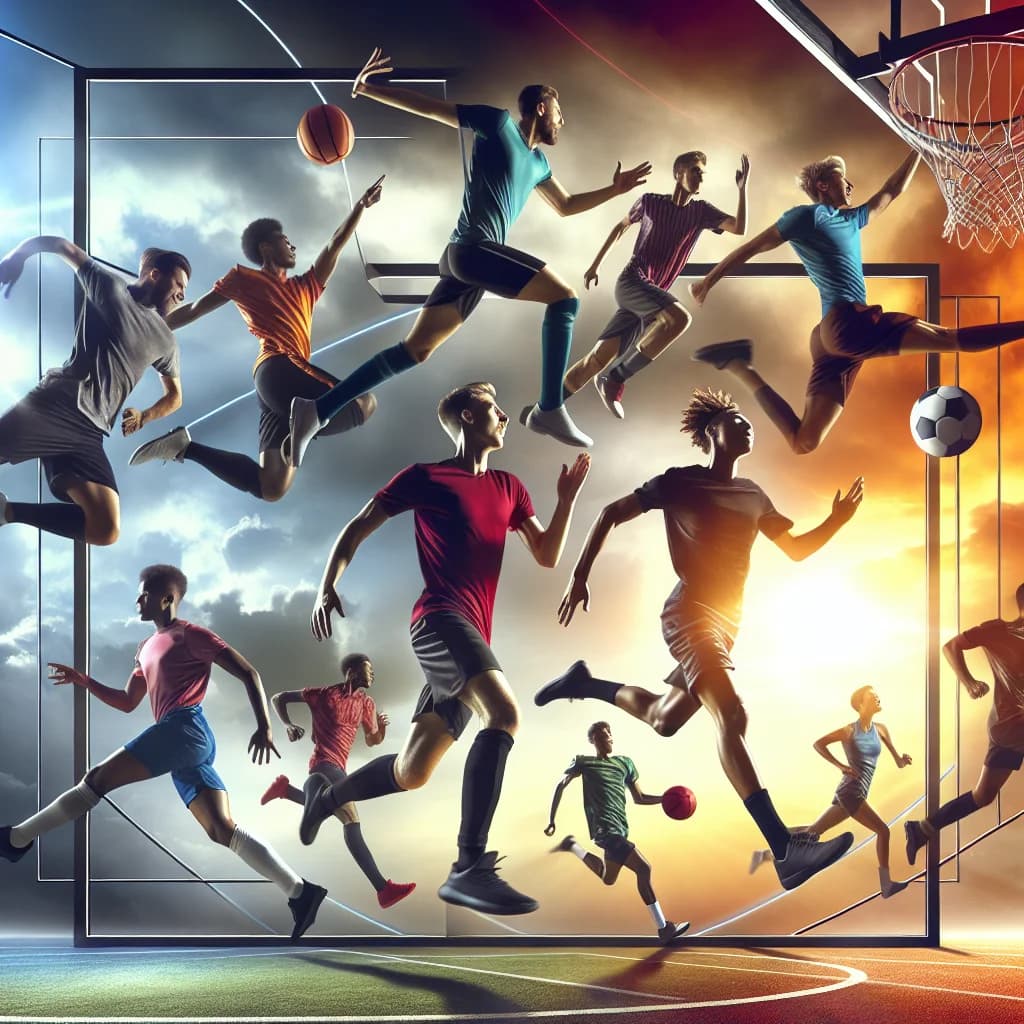
The Evolution of Sports: Trends Shaping the Future of Athletics
Explore the latest trends in athletics and how they're shaping the future of sports. Discover the evolution of sports and what lies ahead!
Introduction to Sports
Definition and Importance
Sports can be defined as organized physical activities that involve competition, skill, and strategy. They encompass a wide range of activities, from team sports like soccer and basketball to individual pursuits such as tennis and athletics. The importance of sports transcends mere entertainment; they play a crucial role in promoting health, building character, and fostering social connections.
Participating in sports teaches invaluable life skills, such as teamwork, discipline, and leadership. It provides a platform for individuals to challenge themselves, set goals, and achieve them. For communities and nations, sports can serve as a unifying force, bringing people together regardless of their backgrounds. In a world increasingly divided by differences, sports offer a common ground for cooperation and camaraderie.
Historical Context
The history of sports dates back to ancient civilizations. The earliest records of organized sports can be traced to the Greeks, who founded the Olympic Games in 776 BC. These games celebrated physical prowess and were held in honor of Zeus. The Romans later integrated sports into their culture, using gladiatorial contests and chariot races to entertain the masses.
Over the centuries, sports have evolved significantly. During the Middle Ages, activities like jousting and archery were popular among the nobility. The modern structure of sports began to take shape in the 19th century, with the establishment of formal rules and associations. The introduction of the first modern Olympic Games in 1896 marked a significant turning point, paving the way for international sporting competitions.
Modern Sports Landscape
Today, the sports landscape is more diverse and globalized than ever before. From traditional sports like cricket and rugby to emerging trends such as esports and adventure racing, the variety is vast. Major sporting events draw millions of viewers worldwide, and professional leagues operate at unprecedented levels of competition and financial investment.
Media coverage and technological advancements have transformed how sports are consumed. The rise of social media and streaming platforms has made it easier for fans to connect with their favorite teams and athletes, while data analytics has enhanced coaching and performance strategies. This modern era has not only redefined how sports are played but also how they are marketed and experienced.
Types of Sports
Team Sports
Team sports involve organized groups competing against one another, emphasizing collaboration and strategy. Popular examples include:
- Soccer:Known as football in most parts of the world, it is played by two teams of eleven players each, aiming to score goals by getting a ball into the opposing team's net.
- Basketball:A fast-paced game played on a rectangular court where two teams of five players each score points by shooting a ball through the opponent's hoop.
- Baseball:A bat-and-ball game played between two teams of nine players, focusing on batting, pitching, and fielding.
- Rugby:A contact sport that originated in England, played by two teams attempting to carry or kick a ball over the opposing team's goal line.
Team sports foster communication, cooperation, and shared responsibility, teaching players the importance of working together towards a common goal.
Individual Sports
Individual sports focus on the athlete's personal performance, emphasizing self-discipline and individual skill. Examples include:
- Tennis:A racquet sport played either as singles or doubles, requiring agility, strategy, and precision.
- Golf:A sport that involves hitting a ball into a series of holes on a course in as few strokes as possible.
- Swimming:A competitive sport where individuals race in various strokes and distances, often requiring rigorous training and technique.
- Track and Field:Comprising various events such as sprints, distance running, jumps, and throws, this sport highlights individual athletic prowess.
While individual sports often focus on personal achievement, they can also foster a sense of community through competitions and events.
Extreme Sports
Extreme sports, also known as action sports, involve a higher level of risk and adrenaline, often taking place in unconventional environments. Some popular extreme sports include:
- Skydiving:Jumping from an aircraft and free-falling before deploying a parachute.
- Snowboarding:Riding down snow-covered slopes on a board, often incorporating tricks and jumps.
- Rock Climbing:Ascending natural rock formations or artificial rock walls, emphasizing strength, technique, and mental focus.
- BMX Biking:Performing tricks and racing on specialized bicycles designed for stunts.
Extreme sports appeal to thrill-seekers and those looking for unconventional challenges. They often promote a culture of adventure and personal expression.
Benefits of Participating in Sports
Physical Health Benefits
Engaging in sports offers numerous physical health benefits, which contribute to overall well-being. Some of these benefits include:
- Improved Cardiovascular Health:Regular physical activity strengthens the heart and improves circulation, reducing the risk of heart disease.
- Enhanced Strength and Flexibility:Sports training helps build muscle strength, endurance, and flexibility, contributing to better overall physical performance.
- Weight Management:Participation in sports helps burn calories and maintain a healthy weight, reducing the risk of obesity.
- Increased Bone Density:Weight-bearing sports promote bone health, reducing the risk of osteoporosis later in life.
Overall, incorporating sports into one’s lifestyle can lead to a healthier, more active life.
Mental Health Benefits
Sports also have a profound impact on mental health, providing psychological and emotional advantages. Key mental health benefits include:
- Reduced Stress:Physical activity releases endorphins, which can boost mood and alleviate stress and anxiety.
- Enhanced Self-Esteem:Achieving personal goals in sports can significantly boost self-confidence and self-worth.
- Improved Focus and Concentration:Engaging in sports requires mental discipline, which can translate to better focus in other areas of life.
- Social Connections:Sports provide opportunities to meet new people, fostering friendships and a sense of belonging.
Regular participation in sports can serve as an effective coping mechanism for mental health challenges.
Social Benefits
Beyond individual health, sports play a vital role in fostering social connections and community engagement. The social benefits of sports include:
- Teamwork:Team sports teach individuals how to work collaboratively, emphasizing the importance of shared goals and mutual support.
- Community Building:Local sports clubs and events bring people together, strengthening community ties and encouraging civic participation.
- Diversity and Inclusion:Sports can bridge cultural gaps, promoting inclusivity and understanding among diverse groups.
- Development of Leadership Skills:Participating in sports can help individuals develop leadership qualities, as they often find themselves in roles where they must motivate and guide others.
In summary, sports serve as a powerful tool for socialization and community development.
Major Sporting Events
Olympic Games
The Olympic Games are one of the most prestigious sporting events globally, held every four years and featuring athletes from around the world. The Games originated in ancient Greece and were revived in the late 19th century by Baron Pierre de Coubertin.
The modern Olympics consist of both Summer and Winter Games, showcasing a wide array of sports, including athletics, swimming, gymnastics, and winter sports such as skiing and ice hockey. The Olympics promote international unity and peace, as athletes from diverse nations come together to compete in a spirit of friendship and respect.
In addition to the athletic competition, the Olympics also emphasize cultural exchange, with the Olympic Village serving as a microcosm of global diversity.
World Cups
World Cups are held for various sports, with the FIFA World Cup being one of the most recognized. The FIFA World Cup, hosted every four years, features the top national soccer teams competing for the title of world champion.
Other notable World Cups include the ICC Cricket World Cup, Rugby World Cup, and the FIVB Volleyball World Cup. These events generate massive global audiences, with millions of fans tuning in to support their national teams. The excitement surrounding these tournaments often leads to a surge in national pride and unity.
Professional Leagues
Professional leagues are a significant aspect of the sports landscape, providing a platform for athletes to showcase their skills at the highest level. Major professional leagues include:
- National Football League (NFL):The premier American football league, known for its intense competition and high-profile events like the Super Bowl.
- National Basketball Association (NBA):The leading professional basketball league, featuring star athletes and global fan engagement.
- Major League Baseball (MLB):The oldest professional sports league in the United States, known for its rich history and traditions.
- English Premier League (EPL):The top tier of English football, renowned for its competitiveness and international following.
These leagues not only provide entertainment but also contribute significantly to local economies through job creation, tourism, and community engagement.
The Future of Sports
Technological Advancements
The future of sports is closely tied to technological advancements that are changing how sports are played, viewed, and analyzed. Innovations include:
- Wearable Technology:Devices that track performance metrics, heart rate, and physical activity are becoming essential for athletes to optimize their training.
- Virtual Reality (VR):VR is being used for training simulations, allowing athletes to practice in immersive environments without the physical strain.
- Data Analytics:Teams are increasingly utilizing data analytics to assess player performance, develop game strategies, and enhance fan engagement.
- Augmented Reality (AR):AR applications are enhancing the fan experience by providing interactive elements during live events and broadcasts.
These technologies not only enhance the performance of athletes but also enrich the viewing experience for fans, making sports more accessible and engaging.
Inclusivity and Diversity
As society evolves, so does the approach to inclusivity and diversity in sports. The future will likely see:
- Increased Opportunities for Underrepresented Groups:Efforts are being made to create more opportunities for women, minorities, and individuals with disabilities in sports.
- Representation in Leadership Roles:There is a growing push for diversity in coaching and administrative positions within sports organizations.
- Adaptive Sports:Sports programs tailored for individuals with disabilities are gaining momentum, promoting participation and competition.
- Awareness Campaigns:Many organizations are launching initiatives to raise awareness about diversity and inclusion, encouraging a broader participation base.
A commitment to inclusivity will strengthen the sports community and enrich the experiences of all participants.
Sustainability in Sports
The future of sports also hinges on sustainability, as organizations recognize their environmental responsibilities. Key areas of focus include:
- Eco-Friendly Facilities:Many sports venues are being designed or retrofitted to minimize environmental impact, utilizing renewable energy sources and sustainable materials.
- Sustainable Practices:Teams and organizations are adopting practices that reduce waste, such as recycling programs and sustainable transportation initiatives.
- Awareness and Education:Sports figures and organizations are using their platforms to promote environmental awareness and encourage fans to adopt sustainable habits.
- Partnerships with Environmental Organizations:Collaborations between sports organizations and environmental groups are becoming more common, focusing on conservation and sustainability initiatives.
By embracing sustainability, sports can contribute positively to the planet while inspiring fans to take action in their own lives.
Written by Abdul Qudoos
Content creator and writer passionate about sharing knowledge.
View all posts →