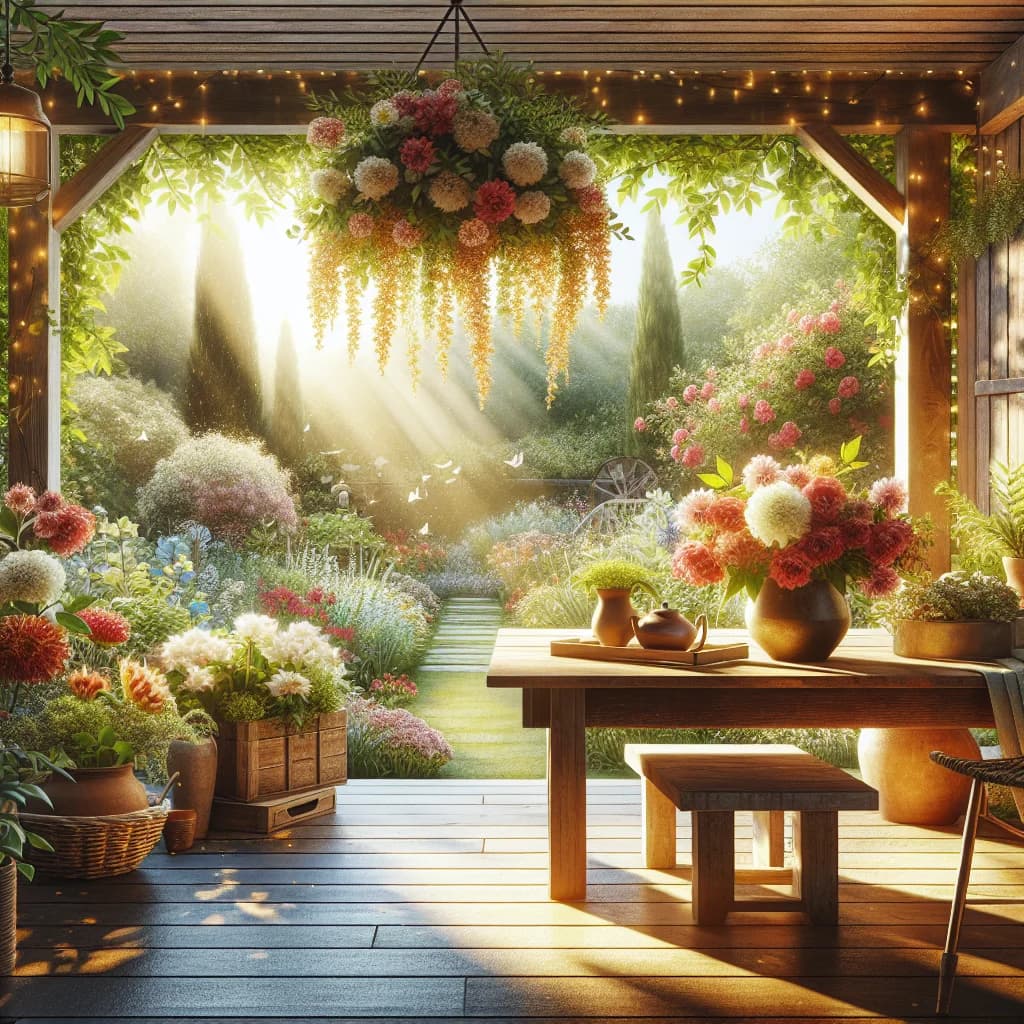
Transform Your Space: Expert Tips for Home and Garden Design
Unlock your home's potential with expert tips for stunning home and garden design. Transform your space into a stylish sanctuary today!
Introduction to Home and Garden
The Importance of Home and Garden
Your home is more than just a physical space; it is a sanctuary, a place to unwind, and a reflection of your personality. The garden complements this, serving as an outdoor extension of your living space, where you can enjoy nature, entertain guests, or simply relax. Home and garden are intertwined aspects of our lives that contribute significantly to our overall well-being.
Trends in Home and Garden Design
Home and garden design trends evolve, influenced by changes in lifestyle, technology, and environmental awareness. Some current trends include:
- Minimalism:Emphasizing simplicity and functionality in both indoor and outdoor spaces.
- Biophilic Design:Integrating natural elements into home interiors to create a connection with nature.
- Smart Homes:Utilizing technology to enhance comfort, security, and energy efficiency.
- Sustainable Landscaping:Designing gardens that require less water and maintenance while promoting biodiversity.
Getting Started: Assessing Your Space
Before diving into home and garden projects, it’s crucial to assess the space you have. Consider the following:
- Size and Layout:Measure your rooms and outdoor areas to understand the available space.
- Light and Ventilation:Observe how natural light enters your home and garden, and consider how this affects plant growth and interior design.
- Style Preferences:Think about the aesthetic you want to achieve—modern, rustic, eclectic, etc.
- Functionality:Identify how you intend to use each space, whether for entertaining, relaxing, or practical purposes.
Home Interior Design
Choosing the Right Color Palette
The color palette you choose can dramatically affect the mood and perceived size of your rooms. Here are some tips:
- Neutral Base:Start with neutral colors for walls and larger furniture pieces, which can make spaces feel larger and more cohesive.
- Accent Colors:Use bold colors as accents through accessories like cushions, artwork, and decor to add personality.
- Consider Lighting:Test paint samples in different lighting conditions to see how they change throughout the day.
Essential Furniture Pieces for Every Room
Every room requires certain key pieces of furniture to function effectively:
- Living Room:A comfortable sofa, coffee table, and adequate seating.
- Bedroom:A quality bed, bedside tables, and storage solutions like dressers.
- Dining Room:A dining table and chairs that fit your lifestyle, whether informal or formal.
- Home Office:A functional desk and ergonomic chair to promote productivity.
Tips for Maximizing Small Spaces
Living in a small space can be challenging, but with the right strategies, you can make the most of it:
- Multi-Functional Furniture:Choose furniture that serves multiple purposes, like a sofa bed or a coffee table with storage.
- Vertical Space:Utilize wall space for shelving and storage to keep the floor area free.
- Light Colors:Opt for light color palettes to create an illusion of a larger space.
- Mirrors:Use mirrors strategically to reflect light and make rooms feel more open.
Outdoor Spaces and Landscaping
Designing Your Ideal Garden Layout
When planning your garden, consider the following steps:
- Define Your Purpose:Decide if your garden will be for relaxation, entertainment, or growing vegetables.
- Zones:Create distinct areas for different activities, such as seating, dining, or planting.
- Pathways:Design pathways that lead visitors through your garden, making it easy to navigate.
- Focal Points:Incorporate features like sculptures, water features, or flower beds to draw the eye.
Choosing the Right Plants for Your Climate
The success of your garden heavily depends on selecting plants suited to your local climate. Here are some tips:
- Research Local Flora:Consult local gardening guides or nurseries to find out which plants thrive in your area.
- Consider Seasonal Changes:Choose a mix of perennials and annuals to ensure color and interest throughout the seasons.
- Native Plants:Opt for native species that require less water and care and are more resilient to local pests.
Outdoor Furniture and Decor Ideas
To create an inviting outdoor space, consider the following:
- Comfortable Seating:Invest in weather-resistant furniture that provides comfort for lounging or dining.
- Lighting:Use string lights, lanterns, or solar-powered lights to create ambiance during the evening.
- Textiles:Add cushions and throws in weatherproof fabrics to enhance comfort and style.
- Greenery:Incorporate potted plants or vertical gardens to add life and color to your outdoor space.
Sustainable Home and Garden Practices
Benefits of Sustainable Gardening
Sustainable gardening practices not only benefit the environment but also enhance the health of your garden. Here are some advantages:
- Reduced Environmental Impact:Sustainable gardening minimizes the use of harmful chemicals and promotes biodiversity.
- Improved Soil Health:Techniques like composting and crop rotation enrich the soil, fostering healthier plants.
- Water Conservation:Sustainable practices often incorporate methods that conserve water, such as xeriscaping.
- Fresh Produce:Growing your own fruits and vegetables ensures access to fresh, organic produce.
Eco-Friendly Home Improvements
Making your home more eco-friendly can be both beneficial for the planet and cost-effective. Here are some ideas:
- Energy-Efficient Appliances:Invest in appliances with high energy ratings to reduce energy consumption and costs.
- Insulation:Proper insulation keeps your home comfortable and reduces heating and cooling costs.
- Solar Panels:Consider installing solar panels to harness renewable energy and lower electricity bills.
- Water-Saving Fixtures:Installing low-flow faucets and showerheads can significantly reduce water usage.
Water Conservation Techniques for Gardens
Conserving water in your garden is essential, especially in areas prone to drought. Here are some effective techniques:
- Drip Irrigation:Use drip irrigation systems to deliver water directly to the plant roots, reducing wastage.
- Mulching:Apply mulch around plants to retain moisture and suppress weeds.
- Rainwater Harvesting:Collect rainwater in barrels to use for watering your garden.
- Drought-Resistant Plants:Choose plants that require less water and are well-suited to your climate.
Maintenance and Upkeep
Seasonal Home Maintenance Checklist
Regular maintenance is key to preserving the integrity and beauty of your home. Here’s a seasonal checklist:
- Spring:Clean gutters, check for roof leaks, and inspect your HVAC system.
- Summer:Test smoke detectors, maintain landscaping, and check outdoor equipment.
- Fall:Winterize outdoor faucets, check insulation, and clean the chimney.
- Winter:Inspect heating systems, check for drafts, and ensure snow removal equipment is ready.
Garden Maintenance Tips Throughout the Year
To keep your garden thriving, consider the following maintenance tips:
- Regular Watering:Establish a consistent watering schedule, adjusting for seasonal changes.
- Weeding:Regularly remove weeds to prevent competition for nutrients and water.
- Pruning:Trim dead or overgrown branches to promote healthy growth and improve air circulation.
- Pest Management:Monitor for pests and diseases, using organic methods when possible to control infestations.
Common Repairs and DIY Solutions
Many common household repairs can be tackled with basic DIY skills. Here are some examples:
- Leaky Faucets:Often caused by worn washers; replace them to stop the leak.
- Drafty Windows:Use weatherstripping or caulk to seal gaps and improve energy efficiency.
- Cracked Walls:Fill small cracks with spackle and repaint to refresh the space.
- Clogged Drains:Use a plunger or natural solutions like vinegar and baking soda to clear blockages.
Written by Abdul Qudoos
Content creator and writer passionate about sharing knowledge.
View all posts →